

Phone
Why Are 2026 Flagship Phone Repairs More Expensive?
Sep
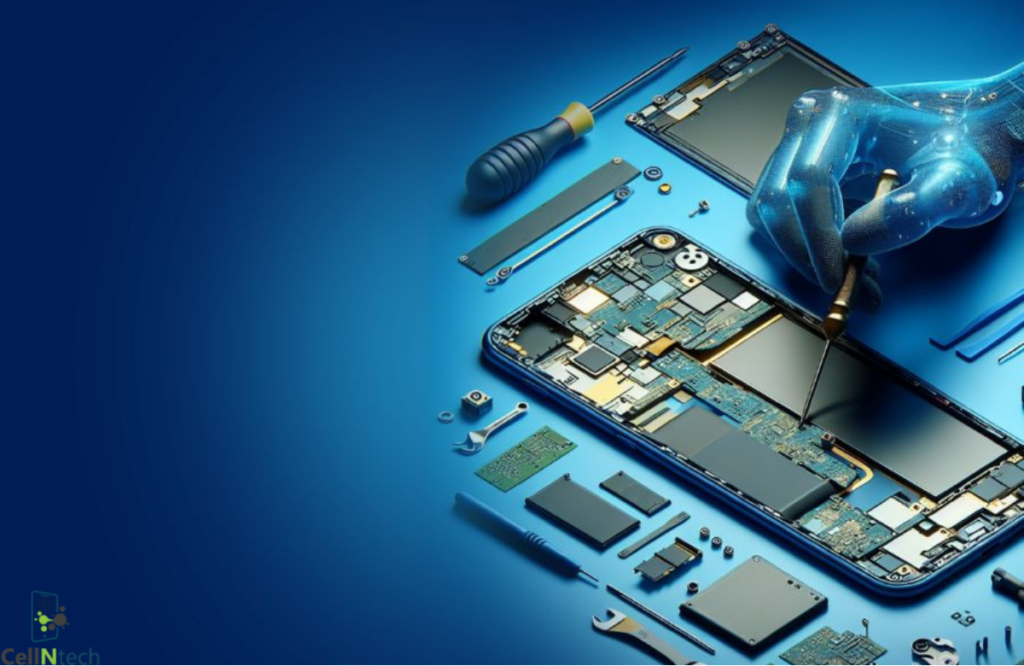
If you noticed that getting a cracked screen or dead battery fixed on a new phone costs way more than it used to, you are not alone. Today’s top devices pack super bright displays, sealed, water resistant frames and tight internal layouts into paper thin designs. When these high end devices fall badly, fixing them takes special tools, careful labor and pricey replacement parts that drive up the final repair bill.
Knowing why repair costs keep climbing helps you make smarter choices when picking out your next device. While fixing a screen or glass back on a premium phone takes a bigger chunk of cash, knowing what drives these prices helps you protect your phone and pick solid repair options without overpaying.
Key Takeaways
- Advanced OLED displays, high refresh rates, curved or specialized glass, and integrated sensors can make flagship display assemblies more expensive to replace.
- Tight phone layouts and super strong glue add extra labor time and require custom heating tools to open without breaking other parts.
- Software pairing or calibration requirements on certain devices can add extra diagnostic steps when replacing components.
- Grabbing a strong case, putting on a glass screen protector and knowing your warranty options helps lower the total cost of flagship phone repairs after an accidental drop.
Why Repair Costs Are Surging for 2026 Flagships
Modern smartphones are incredible pieces of tech, but their compact build makes physical repairs trickier than they were a few years ago.
1. High-End Displays and Fused Screen Parts
The screen is not just a basic sheet of glass sitting on top of a light panel anymore. Many flagship displays combine flexible screen panels, touch sensors, display controllers and, on some models, underdisplay fingerprint technology into a tightly integrated assembly. On many modern flagship phones, a cracked display means replacing the full screen assembly rather than just the outer glass.
2. Tight Enclosures and Strong Adhesives
Phone makers love using slick glass backs, metal frames and water resistant seals to give top phones a premium feel. Opening these sealed cases takes precise heating tools to slice through tough industrial glue without damaging delicate cables inside. If a frame gets bent from a hard hit, fixing it means transferring dozens of tiny internal parts one by one to a fresh housing.
3. Component Pairing and Calibration
Some modern phones use software based pairing or calibration for certain replacement components. After a part is replaced, technicians may need to run diagnostic or configuration procedures so features such as biometrics, displays, cameras or other hardware continue working correctly.
4. Custom Shop Equipment and Precision Tools
Fixing a modern high end phone takes a lot more than a tiny screwdriver set. Repair shops use custom heat plates, suction clamps, glue presses and diagnostic gear to safely pop open and seal devices back up. The cost of specialized tools, equipment, and technician training can contribute to a repair shop’s overall service costs.
5. Multi Lens Camera Setups
Rear camera systems on current flagship phones can combine optical image stabilization, telephoto or periscope lenses, and advanced image sensors within compact internal spaces. Because these components are tightly packed and sensitive, replacing a damaged camera module or lens cover requires careful handling to avoid damaging nearby components.
6. Slim Batteries Tucked in Tight Spots
To fit larger batteries into thin phone bodies, manufacturers often use tightly packed internal layouts with strong adhesive securing the battery in place. Replacing a battery safely means pulling out strong adhesive strips without puncturing the battery casing which takes patience and proper technique.
7. Board Level Micro Diagnostics
When a phone takes a splash of water or a hard impact on concrete, tiny parts on the main circuit board can fail. Finding and fixing these micro parts takes testing tools and steady soldering work which turns a simple part swap into detailed electronic work.
8. More Expensive Replacement Assemblies
Flagship replacement parts can be expensive because they often combine multiple components into a single assembly. A display replacement for example may include the OLED panel, touch layer, frame, sensors and other integrated components rather than just a piece of glass.
Buyer’s Tips: How to Manage and Reduce Phone Repair Costs
While flagship device repairs can be expensive, taking a few simple steps can save you a lot of money over the life of your device.
- Slap Protection on Right Away: Pair a tough drop tested case with a thick glass screen protector the moment you open your new phone. These accessories can absorb some impact and reduce the risk of costly glass damage.
- Look for Easy to Fix Phone Models: Before you buy your next phone, check online to see how easy it is to repair. Some brands design their devices with modular parts that make future swaps simpler and cheaper.
- Understand Your Service Options: Manufacturer authorized repair centers may have higher service costs while independent repair shops can sometimes offer more targeted repair options depending on the device and damage.
- Fix Small Damage Before It Gets Worse: A small crack can worsen over time or increase the device’s exposure to moisture and debris, while rapid battery drain may indicate a battery or other hardware issue that should be diagnosed. Fixing small issues early stops damage from spreading to expensive internal components.
Essential Features to Look for in a Repair Provider
When your flagship phone needs a fix, picking the right repair spot makes sure your device gets taken care of without losing its key features.
- Initial Diagnostics: Look for a shop that tests your device first and explains what is wrong before doing any work, including whether there is a diagnostic fee so there are no hidden surprises.
- Quality Replacement Parts: Make sure the shop uses high quality, tested replacement parts suited to your phone and the repair being performed.
- Clear Repair Warranties: Look for a repair provider that clearly explains its warranty coverage for the service and replacement parts.
- Quick Turnaround Times: Flagship phones hold your whole life from personal messages to work apps. Choosing a store with common parts in stock gets your device back in your hand fast.
Conclusion
Flagship phone repairs can cost more because modern devices pack complex screen tech, sealed, water resistant construction and tightly packed internal hardware. While these high tech features mean fixing physical damage takes more investment, using good protection and working with skilled technicians keeps your phone running great for years.
If your flagship device takes a hard drop, suffers a cracked screen or will not hold a charge, getting an expert opinion is the smartest move. Visiting Cell N Tech puts your phone in the hands of experienced technicians who can test your hardware, explain your options clearly and perform repairs using high quality, tested parts.
Frequently Asked Questions
Why is fixing a flagship screen so much more expensive than a budget phone screen?
Many flagship phones use advanced OLED displays with high refresh rates and, on some models, curved glass or under-display fingerprint sensors integrated into the display system. Budget phones may use simpler or less expensive display assemblies, although the exact technology varies by model.
Will getting my screen fixed at a local repair shop affect how my phone works?
A skilled repair using appropriate, tested replacement parts should restore the affected functions, although results can vary depending on the device, part and type of damage.
Is it worth fixing an expensive flagship phone or should I just buy a new one?
Repairing a cracked screen or replacing an aging battery can be more affordable than replacing the entire phone, particularly when the device is otherwise in good condition and the repair cost is reasonable.
Why do shops charge diagnostic fees for water damage or dead phones?
When a phone will not turn on, technicians have to open the case, test circuits and check individual parts to find the exact problem. The fee covers the tech’s time and equipment needed to safely figure out what went wrong.