


Phone
Is Third-Party Phone Repair Safe? Warranty Myths Debunked
Jul
Getting a phone repair from a third party is legally safe and doesn’t automatically void your warranty. Federal law protects this right directly. The Magnuson-Moss Warranty Act bans manufacturers from requiring brand-specific repairs. However, quality still depends on choosing a reputable repair shop. Most people simply don’t know these protections exist. Knowing your rights makes third-party phone repair a much safer choice.
Core Takeaways
- The manufacturer claims your warranty is void after a third-party repair. That claim likely violates federal law.
- The repair shop lacks certifications or clear parts sourcing. Choose a different shop for safety.
- Warranty sticker says opening the device voids coverage. That sticker carries no legal weight.
- Manufacturer denies a claim, citing third-party repair alone. They must prove the repair caused the actual issue.
- Repair shop won’t answer questions about parts or warranty. That’s a clear red flag to walk away.
- Shop won’t offer any guarantee on its own work. Consider that a sign to look elsewhere.
What “Third-Party Repair” Actually Means
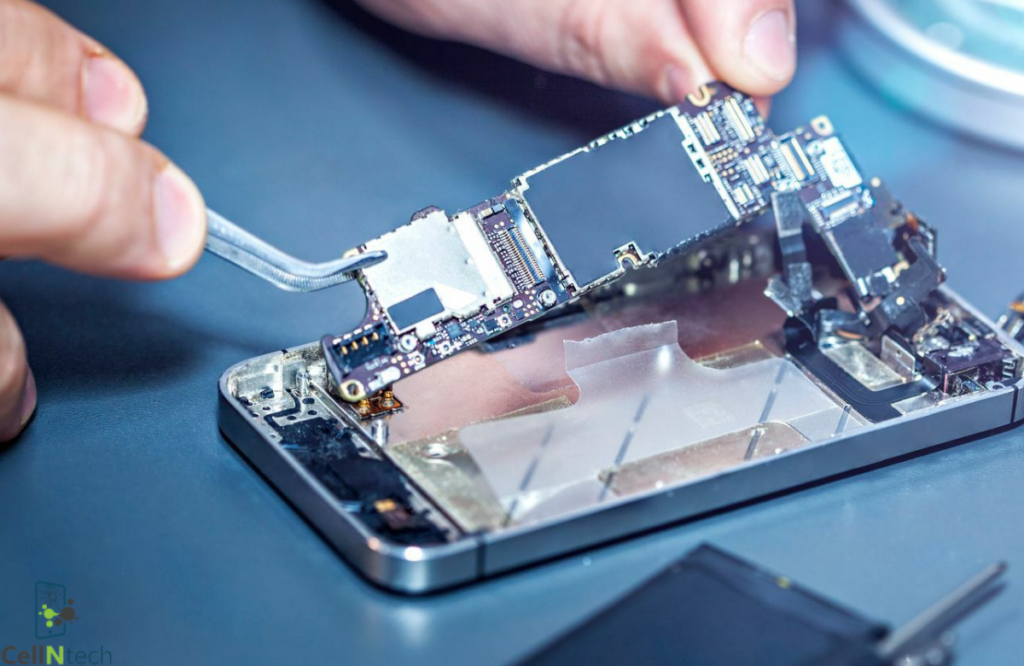
Third-party repair means anyone outside the phone’s original manufacturer fixes the device. This includes independent local shops and national repair chains. It also covers repairs you do yourself at home.
This is different from an authorized repair center. Authorized centers have a direct contract with the manufacturer. Third-party shops operate independently, with their own sourcing and training standards.
People often lump every non-manufacturer option into one category without thinking twice. In reality, that category covers a huge range of experience levels. A national chain with certified technicians and a guy fixing phones out of his garage both technically count as third-party.
Common Warranty Myths, Debunked
A lot of bad information circulates on this topic. Here’s what’s actually true, based on how the law is written and enforced.
Myth: Any Repair Voids Your Warranty
This is false under federal law. The Magnuson-Moss Warranty Act’s anti-tying rule prevents manufacturers from voiding coverage simply because a consumer used an independent shop or non-branded parts.
This myth persists mostly because manufacturers benefit from people believing it. Scaring customers into paying more for authorized repair keeps revenue in-house. Federal law simply doesn’t back that scare tactic up.
Myth: One Repair Blocks All Future Service
Getting one third-party repair doesn’t ban you from manufacturer service forever. Each warranty claim gets evaluated on its own merits. Past third-party repairs don’t automatically disqualify future claims.
A phone repaired independently last year can still qualify for warranty service on an unrelated issue today. Manufacturers look at each claim individually, not your entire repair history at once.
Myth: Only Manufacturers Use Genuine Parts
Plenty of independent shops source genuine parts through legitimate channels. Some manufacturers even sell parts directly to certified independent repair programs now. This myth assumes a monopoly that doesn’t legally exist.
Apple’s own independent repair program, for example, gives qualifying shops access to genuine parts and diagnostics. Other manufacturers have followed similar paths under growing right-to-repair pressure.
Myth: Third-Party Repairs Are Always Riskier
Repair quality depends on the specific shop, not the third-party label itself. Many independent technicians have more repair experience than mall kiosk staff. Judge the shop directly instead of assuming based on the category. Some independent technicians specialize almost entirely in one brand or model. That kind of focused experience sometimes beats what a generalist authorized center offers.
Myth: A Screen Repair Voids Other Coverage
A screen repair only affects warranty coverage related to the screen itself. Your battery, camera, and other components stay covered separately. Manufacturers can’t use one repair to void everything. This misunderstanding causes a lot of unnecessary worry. A cracked screen fix has nothing to do with your phone’s battery health or camera performance down the line.
Myth: Manufacturers Can Always Detect a Repair
Some repairs leave detectable evidence, but not all of them do. This myth gets used to scare people away from independent shops. Detection alone doesn’t automatically void coverage anyway. Even when a repair is detectable, that detection alone isn’t proof of damage. The manufacturer still needs to show that the repair actually caused the problem being claimed.
Myth: Warranty Stickers Are Legally Binding
Those “warranty void if removed” stickers carry no legal weight. The FTC has specifically named these stickers as a deceptive practice, with companies facing consent orders over this exact language. These stickers exist purely for psychological effect. They look official, but they don’t hold up against federal consumer protection law at all.
Myth: Battery Swaps Always Break the Rules
A battery swap by a qualified independent shop doesn’t automatically void your warranty. The same federal protections apply here as with any other repair. Quality of the work still matters most.
Battery health becomes a common concern for phones a few years old. Knowing this repair is protected saves people from overpaying at an authorized center out of unnecessary fear.
Is Third-Party Phone Repair Safe?
Legal protection is one thing. Physical safety and repair quality are separate questions entirely.
Not every third-party shop performs the same quality of work. Some use certified technicians and proper tools. Others cut corners in ways that cause real damage. Judging a shop by reputation and reviews matters more than the third-party label itself. Parts quality varies a lot. Some shops use genuine manufacturer parts sourced legally. Others use aftermarket parts that range widely in quality. A good shop tells you exactly where its parts come from without hesitation.
A poorly trained technician can damage internal components during repair. Water resistance seals often get compromised in the process. That’s not a warranty issue anymore; it’s a real safety and performance risk. FTC’s own guidance on repair restrictions, the legal right to repair exists specifically so consumers have real choices, but that choice still comes with the responsibility of picking a competent shop.
Reading reviews carefully helps separate the reliable shops from the risky ones. Look specifically for reviews mentioning water resistance testing or post-repair diagnostics. Shops that skip these steps tend to leave hidden problems behind.
How to Choose a Safe Third-Party Repair Shop
A few checks before booking a repair make a real difference.
- Check for certifications or manufacturer partnerships that the shop can actually show you.
- Ask about the parts they use and where those parts come from.
- Ask if they offer a warranty on their own repair work specifically.
Following these steps takes only a few minutes. That small effort protects both your phone and your ability to dispute a denied claim later. A shop confident in its own work usually answers these questions without hesitation.
Conclusion
Phone repair from a third party is legally protected under federal law. Manufacturers can’t void your entire warranty just for using an independent shop. Quality still varies, though, so choosing the right shop matters more than the label itself. Documentation protects you if a dispute ever comes up later. Understanding your rights makes phone repair a smart, safe option. Cell N Tech offers certified third-party phone repair with genuine parts and full documentation. Reach out today for a repair that protects both your phone and your warranty.
Frequently Asked Questions
Does using a third-party repair shop always void my warranty?
No, not under federal law. Manufacturers must prove the specific repair caused the issue they’re denying.
Can I still get manufacturer support after a third-party repair?
Yes, in most cases. Unrelated components and issues typically remain covered under your original warranty.
How do I know if a repair shop is reputable?
Check for certifications, ask about parts sourcing, and see if they offer their own repair warranty.
